
Just recently we published a couple of items on both dyneema line sizes and cutting them with dyneema scissors.
In my experimenting here, I happily got my dyneema lines out to find if there is any need for fuss about cutting it… there is!! My Stanley knife and scissor collection was useless.
I immediately googled “dyneema scissors” on Amazon and got the fright of my life … £40-£60 for a pair of scissors!! Tut tut NO!!! I noticed that kevlar scissors were about half the price, and so googled “can you cut dyneema with kevlar scissors?” and this interesting little video came up:-
You can never tell if these videos are genuine or not, can you? Anyway, I found on Amazon the exact Kevlar shears they use in this video – £20 !! Ordered a pair and they are great!! £20 sounds a lot, but at local coffee prices that’s only about 6 flat whites, and they’ll probably last a lifetime. I’m happy!!


It seems that a reason there may be so many kevlar shears out there to choose from is that this is the method of choice for cutting fibre optic cable. Who’d have known the big need for that ten years ago!
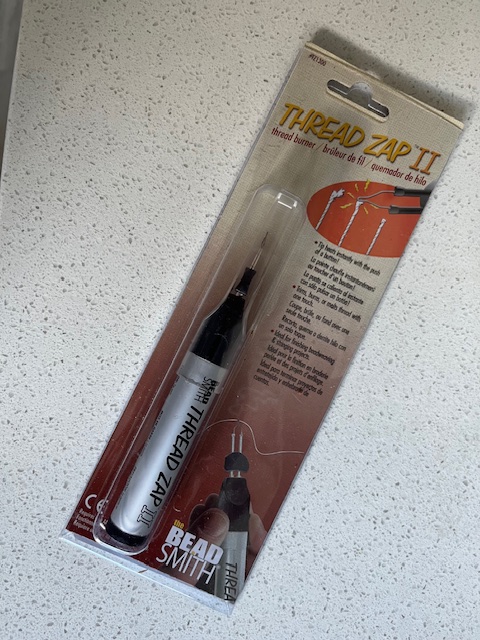
I’m less happy about sealing the rope-ends though. I’m using a keelboat rope burner from my toolbox at the minute – very quick, but leaves a bit of a blob. Might be OK. Sailboat RC recommend a quick swipe of THIN superglue along the line, cut it with your wife’s favourite ceramic kitchen knife, and then you can thread it through holes. I have a battery sealing knife in my toolbox – I must have dropped int once too often as it refuses to deal with dyneema or anything else at the moment. SailboatRC list a natty little USB plasma cutter – only 15 euros… but postage is 49 euros!! More research to do!

 Datchet Radio Sailing - Making It All Much Easier !!