
One of the things that immediately strikes the new entrant to Radio Sailing is the sail numbers. It’s not like big boat sailing at all !! By the way, the size, spacing and gaps of the numbers and country characters are quite carefully controlled in the International Racing Rules – see the radio sailing appendix.
Very quickly you will see that restricted by space on the sail, and as a general rule, we only use the last two digits of the hull number which should also be clearly shown on the boat…. so we all hope within 100 numbers we shall not to have any duplicates at an Event or in Club Racing. Of course, duplicates can arise in a race and on entry the PRO might ask one competitor to add an extra digit, by convention a “1”…. so that competitors can be easily told apart. A “1” is relatively easy to fit in to the space available. Remember this requirement though when you prepare to attach your sail numbers to the sail – leave a bit of space!!
If you think about it, a very small group of number combinations can be ambiguous when viewed through either side of the sail. I must admit, I’ve been caught out as a finish-line judge on a bright sunny day by this. By convention, skippers with such numbers can consider whether they also should pop a “1” in front of their number.
So if you have just one boat, one class … as most of us Club Racers do… then all that’s sensible and fine. Even if you have two or more boats, no problem really.
For multi-boat owners, there’s also another option – personal sail numbers. Each MYA district keeps a district register of 100 numbers and if there is one available you get to keep a two digit number for several years in exchange for a fee. All your boats can then bear that number on their sails. There are some things to think about:-
- Is the number you are allocated already in use in your Club Fleet or in the Open Meeting Fleet in which you race? (Availability is rare, so in all likelihood you simply take the number that is offered. ) It might determine if you wish to go this way or not.
- Realistically, and for re-sale purposes, you are going to want to go with stick-on sail numbers. SailboatRC say that using indelible ink is the only sensible option, but I must say that is not my experience so far. In addition to indelible pen based numbers, I also have stick-on numbers from K7yachts. No problem with those so far.
Is that it?? Not quite…..
If you are going to race Marbleheads and Ten Raters, they can share the smaller rigs. As most of the cost lies in the rigs, lots will have this on their minds. So obviously having the same number on each boat is going to help life a lot. At a club like Datchet which races both Marbleheads and Tens, this is a pretty topical idea – after all the excitement about the hulls, most of the money is in the rigs.
You can imagine that as the sport grows, the demand for personal sail numbers soon outstrips supply. Below, I attach a recent announcement for Metropolitan and Southern District that they are going to introduce another bank of 0-99 numbers to help meet demand. We had some chatter at the Club about why there’s no “1” on the front (or similar idea), but we have policy and practice to help with duplicates in any event, so it’s good to see MYA innovating its way forward on the subject.




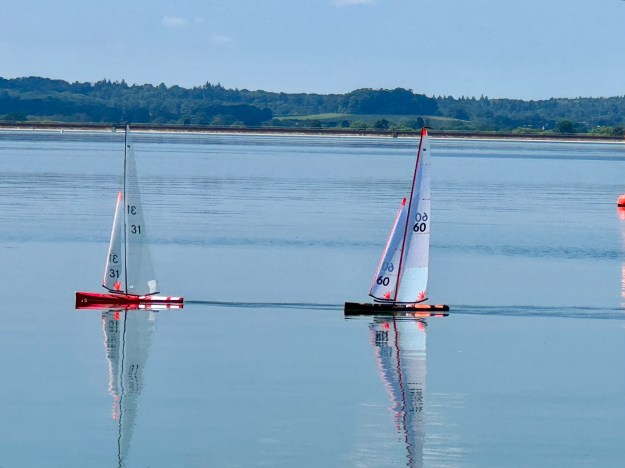
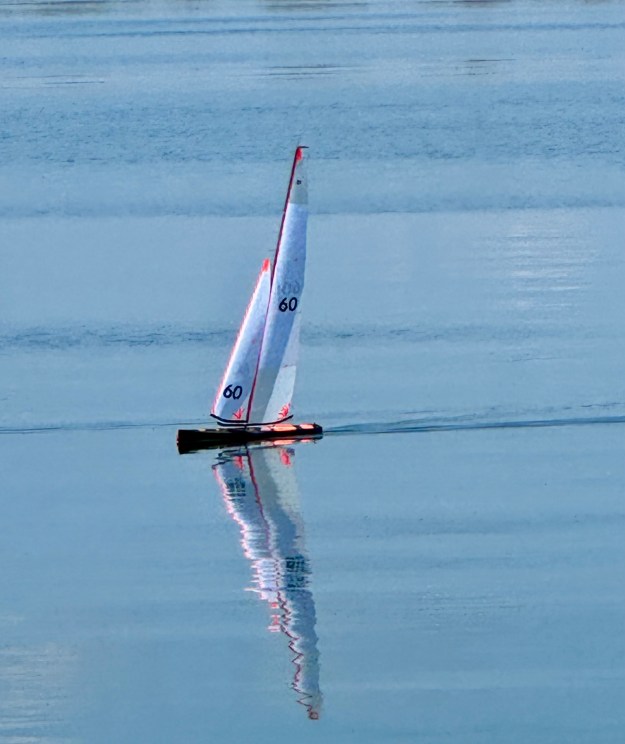
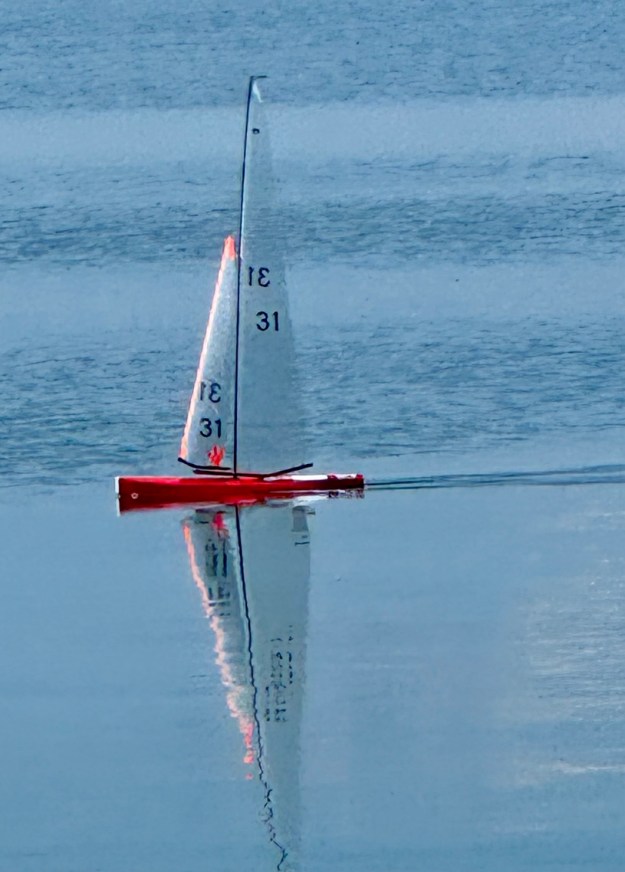
 Datchet Radio Sailing - Making It All Much Easier !!